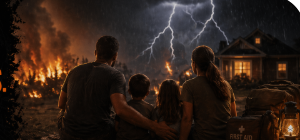
How to Survive the End of the World in Extreme Heat
Two Brutal Scenarios: No Power at Home vs. Living Outside in the Wild
When most people think about disaster survival, they picture cold weather, snow, and freezing temperatures. But in Arizona, Nevada, Texas, and much of the Southwest, the real killer is heat.
Extreme heat can shut down power grids, spoil food, cause dehydration, trigger heat stroke, and turn homes into ovens. If society took a serious hit tomorrow, millions would be unprepared for what happens when the air conditioning stops.
This guide breaks down two real-world survival scenarios:
Surviving inside your home with no electricity
Surviving outside in the wild during extreme heat
Scenario 1: Trapped at Home With No Power
If the power grid fails during summer, your house can become dangerous fast.
Immediate Priorities
1. Protect Your Body Temperature
Close blinds and curtains during daylight
Block sun-facing windows with blankets or reflective material
Stay on the lowest floor
Avoid using ovens, dryers, or anything generating heat
Wear loose, light clothing
2. Water Becomes Life
You need more water than normal in heat.
Minimum target: 1 gallon per person per day
Better in extreme heat: 2+ gallons
Use:
Stored bottled water
Bathtub reserve water (non-drinking unless filtered)
Ice melted from freezer
Water purification methods if needed
3. Create a Cool Room
Choose one room:
North-facing if possible
Minimal windows
Shade it heavily
Use battery fans
Sleep there
4. Eat Smart
Avoid heavy meals.
Use:
Canned fruit
Tuna
Crackers
Protein bars
Peanut butter
Shelf-stable foods
5. Know Heat Stroke Warning Signs
Danger signs:
Confusion
No sweating
Rapid pulse
Vomiting
Fainting
Best Home Gear to Have Ready
Water storage containers
Battery fans
Solar generator
Window coverings
Electrolytes
Lanterns
Power banks
Freeze dried food
First aid kit
Scenario 2: Living Outside in the Wild West Heat
If your home is gone, unsafe, or unlivable, outdoor heat survival becomes savage.
Rule #1: Shade Before Anything
Without shade, you lose.
Create shade using:
Tarps
Vehicle shadow
Trees
Canyon walls
Lean-to shelters
Never stay exposed mid-day.
Rule #2: Move at Dawn and Dusk
Travel times:
Sunrise to early morning
Late evening
Night if safe
Rest mid-day.
Rule #3: Water Discipline
Sip steadily. Don’t chug.
Find water from:
Springs
Canals (purify first)
Rain collection
Stored reserves
Community sources
Rule #4: Dress Correctly
Many people think less clothes = better.
Wrong.
Use:
Loose long sleeves
Wide hat
Neck cover
Light colors
Rule #5: Fire = Tool and Risk
Use fire only when needed:
Night warmth
Cooking
Signaling
But in wildfire zones, extreme caution.
Outdoor Survival Gear
Tarp shelter
Water containers
Filter system
Wide hat
Knife / tool
Lantern
First aid kit
Rope / cordage
Mental Survival Matters Too
Heat creates:
Irritability
Poor decisions
Panic
Fatigue
Stay calm. Use routine:
Morning tasks
Water checks
Shade maintenance
Food schedule
Security awareness
Brutal Truth Most Ignore
In extreme heat disasters:
Water beats ammo
Shade beats gear
Planning beats toughness
Calm beats panic
Smart Prep Checklist Right Now
For Home:
Store water
Buy battery fans
Backup power
Blackout curtains
Shelf food
Electrolytes
For Outside:
Tarp
Water containers
Filter
Hat
Knife/tool
First aid
Shade plan
Final Thought
If the world ended tomorrow in Arizona summer, many would fail in 48 hours—not from violence, but from heat and dehydration.
The prepared family has a chance.
You can’t control everything. But you can be ready for anything.
Steve
